Farmer & cooperative co-design
Consult farmers, cooperatives and local services about priorities, scheduling, practical constraints and viable maintenance. No cooperative is named as a confirmed participant.
The proposed reach of up to 25,000 farmers is a planning ceiling subject to geography, delivery capacity, co-design and baseline validation—not an enrolled beneficiary count.
Recruitment should reflect local production systems, access barriers and service capacity. Map cooperatives and extension networks before agreeing coverage, cohort sizes, travel costs and demonstration-site selection.
Count unique participating farmers separately from training attendances. Participation does not demonstrate higher income, better milk quality or sustained practice adoption; these require their own measures.
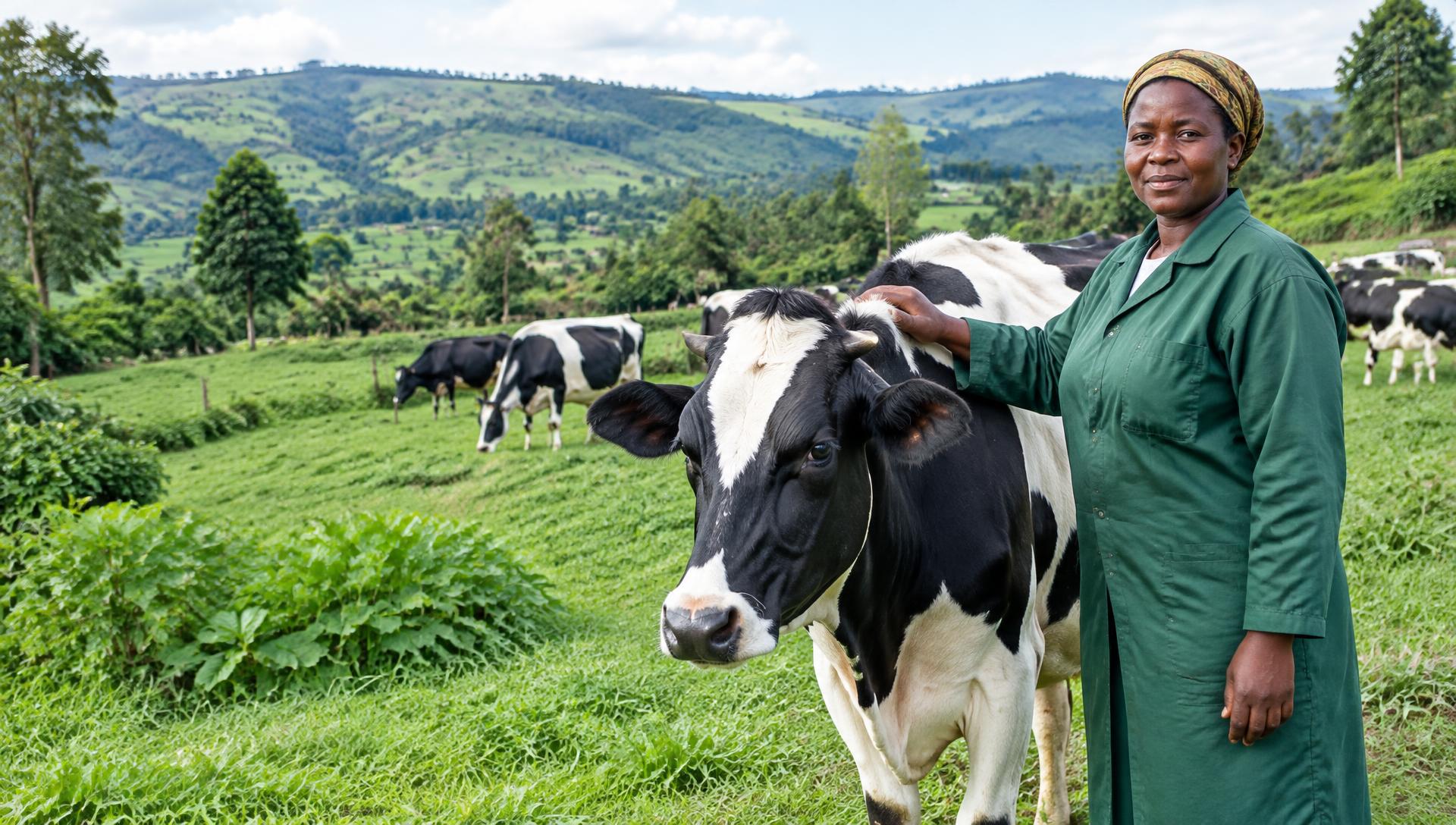
Consult farmers, cooperatives and local services about priorities, scheduling, practical constraints and viable maintenance. No cooperative is named as a confirmed participant.
Pilot practical herd-health, milk-handling and climate-resilient husbandry learning. Use observed practice and follow-up, not attendance alone, to assess effectiveness.
Assess access to training, decision-making, time, transport and digital tools through consultation. Agree inclusion targets after this assessment; no participation quota or promised job count is invented.
Explain data use and participation conditions in accessible language. Establish confidential feedback, referral and complaint procedures before fieldwork, with responsible staff and response times agreed.
County coverage, training channels, language requirements and beneficiary selection criteria remain to be finalised during inception.
For institutional donors, foundations, DFIs and research and implementation partners.